Eco-Friendly Solutions – Guide to Sustainable Packaging with Ssangleong

In today’s environmentally conscious world, sustainable packaging solutions have become a top priority for businesses seeking to reduce their ecological footprint. As consumers grow environmentally aware, companies are under pressure to embrace eco-friendly alternatives that preserve resources and implement waste minimisation. Sustainable packaging solutions offer a range of benefits, both for the environment and for businesses.

By using recyclable, reusable or biodegradable materials, companies can significantly reduce the amount of waste that ends up in landfills, thereby mitigating the adverse impact on the environment. Moreover, sustainable packaging can help businesses to enhance their brand image, appeal to green consumers, and meet strict waste and recycling laws.  Ssangleong, a leading Singapore-based packaging solutions provider, has recognised the importance of sustainable packaging and offers eco-friendly options to support circular economy principles.

How Is Eco-Friendly Packaging Sustainable?

Eco-friendly packaging offers a few sustainable benefits:

Reducing Waste and Minimising Landfill Impact

Eco-friendly packaging is sustainable because it reduces waste and lessens the impact on landfills. By using biodegradable, compostable, or recyclable materials, eco-friendly packaging can be easily disposed of without harming the environment.

Unlike traditional packaging materials that can take hundreds of years to decompose, eco-friendly packaging breaks down naturally, lowering waste levels in landfills. This helps to conserve valuable landfill space and prevents the release of harmful chemicals and greenhouse gases into the environment.

Conserving Natural Resources

Eco-friendly packaging helps to conserve natural resources. Many eco-friendly packaging materials are made from renewable resources, such as plant-based plastics, paper, or bamboo, which can be replenished over time. By using these materials instead of finite resources like petroleum-based plastics, eco-friendly packaging reduces the demand for non-renewable resources and helps to preserve them for future generations. Additionally, eco-friendly packaging often requires less energy and water to produce, further lowering negative effects on nature.

Reducing Carbon Footprint

Eco-friendly packaging is sustainable because it helps to reduce the carbon footprint associated with packaging production and disposal. Many eco-friendly packaging materials have a lower carbon footprint compared to traditional packaging materials, as they require less energy to produce and generate fewer greenhouse gas emissions during their life cycle.

Understanding Sustainable Packaging Materials

Sustainable packaging materials play a crucial role in reducing the environmental impact of packaging waste. Among the various eco-friendly packaging options available, polypropylene bags have gained popularity due to their unique properties and environmental benefits. Let’s delve into why polypropylene bags are considered eco-friendly and how they contribute to sustainability.

PP Woven Bags

Polypropylene (PP) is a thermoplastic polymer belonging to the polyolefin family, alongside polyethylene. This versatile and relatively inexpensive plastic material has found widespread applications across various industries due to its remarkable properties. It also stands out as a highly recyclable material, and many PP woven bags are specifically designed with eco-friendliness in mind. Commonly referred to as PP woven bags, polypropylene woven bags are crafted from polypropylene. These bags boast exceptional strength, allowing them to securely store and transport an array of products. Additionally, they are resistant to cracking and stress, allowing them to withstand harsh conditions without deteriorating.

Polypropylene bags are widely recognized as an eco-friendly packaging solution due to their recyclability and versatility. This recyclability reduces the demand for virgin plastic production, therefore reducing energy demands and greenhouse gas emissions from manufacturing processes. PP woven bags are also waterproof thanks to their laminated film, which prevents degradation when exposed to moisture. This crucial aspect allows these bags to be easily reused and recycled, allowing businesses and organisations to reduce their environmental footprints. They can even be repurposed for shopping, storage, or even crafts projects, extending their life cycle and cutting down waste generation.

Super Sack Bulk Bags

Ssangleong’s Ssuper Sack Bulk Bags are large, flexible containers used for storing and transporting bulk materials in industries. Made from 100% polypropylene, these Flexible Intermediate Bulk Containers (FIBC) are recyclable. Popular sizes include 1-ton and 2-ton capacities, suitable for various industrial needs. Some of the types of recyclable Ssuper Sack bulk bags are:

Type A bags: They are made of woven polypropylene and are great for many industries. They can store and move all sorts of non-flammable materials safely.

Type B bags: They are designed to prevent static electricity buildup and brush discharges in places where even small sparks could cause problems. They’re good for moving dry, flammable powders when there are no flammable gases around. However, they’re not the best choice for materials that are very sensitive to static electricity.

Type C bags: Type C SSUPER SACKS are safety-first bulk containers, combining innovative fabric technology with strict grounding requirements. Ideal for industries dealing with flammable materials, these bags prioritise risk mitigation in potentially explosive situations.

Type D bags: Type D SSUPER SACKS offer a self-contained solution for transporting flammable powders, vapours, gases, and combustible dust. Their specialised fabric eliminates the need for external grounding while maintaining safety standards.

What Are The Solutions To Sustainable Packaging?

Adopting Recyclable And Biodegradable Materials

Biodegradable materials, such as paper, cardboard, plant-based plastics, and biopolymers, can be easily recycled or composted naturally in the environment, reducing the environmental impact of packaging waste. They are designed to break down naturally in the environment, leaving no harmful residues behind.  These materials, such as plant-based plastics and biopolymers, are derived from renewable resources and can be composted under specific conditions, returning nutrients back to the soil. Ssangleong offers transparent plastic bag solutions that align with eco-friendly principles to reduce environmental impact while maintaining clarity and functionality.

Driving Change Through Collaboration and Innovation

Collaboration and innovation are key drivers of sustainable packaging solutions. To effectively address the challenges of packaging waste and environmental impact, businesses need to work together with their suppliers like Ssangleong, customers, and industry partners to develop innovative and sustainable packaging alternatives.

Innovation, on the other hand, involves investing in research and development to create new packaging materials, designs, and technologies that prioritise sustainability. This can include exploring bio-based materials, developing compostable or edible packaging, or implementing smart packaging solutions that reduce waste and improve product shelf life.

The Role of Bulk Bags in Sustainable Packaging

Bulk bags, also known as flexible intermediate bulk containers (FIBC bags), play a significant role in promoting sustainable packaging solutions. Bulk bags help reduce packaging waste. By consolidating large volumes of materials into a single container, bulk bags reduce the need for multiple smaller packages, such as drums or sacks. This decrease in packaging materials leads to diminished waste generation and a lower environmental impact associated with packaging disposal. Bulk bags are designed to be reusable, contributing to their sustainability. Many bulk bags, like conductive bulk bags, are made from durable materials, such as woven polypropylene, which can withstand multiple uses and trips.

Reusable bulk bags can be emptied, cleaned, and refilled numerous times, extending their lifespan and reducing the need for single-use packaging. By adopting bulk bags as part of their sustainable packaging strategy, companies can achieve both environmental and economic benefits, promoting a more sustainable and cost-effective supply chain.

Best Methods To Secure Your Bulk Bags

Ensuring the secure handling and transportation of bulk bags is crucial to maintain product integrity and prevent potential losses, making it essential to employ effective securing methods.

Plastic Strapping And Buckles
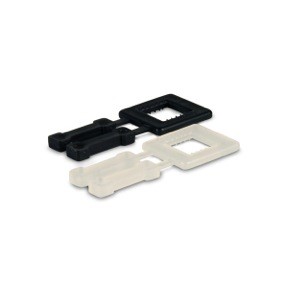
Plastic strapping and buckles are important tools for fastening and securing items during shipping and storage. Their primary role is to ensure that goods remain intact and well-organised throughout the transportation process. However, not all plastic strapping and buckles offer the same level of performance. Choosing the correct type of strapping or buckle for a particular application depends on unique requirements of each shipping and storage situation.

One of the most vital aspects when selecting plastic strapping and buckles is the weight and dimensions of the goods being transported. Items that are heavy or larger than average necessitate a more durable strapping and buckle solution to remain firmly secured throughout the shipping process. The environment where the strapping and buckles will be utilised is another vital factor to consider. Temperature, humidity, and UV exposure can significantly affect the durability and performance of these plastic components. To ensure optimal performance, it is crucial to select a strapping and buckle system that is specifically designed to withstand the unique environmental challenges of your application.

Moreover, when choosing plastic strapping and buckles, consider the packaging material compatibility. To ensure a secure and lasting solution, the strapping and buckle system must be compatible with the specific properties of the packaging material.  Besides practical factors, regulatory requirements also play a role in selecting plastic strapping and buckles. Organisations like the International Safe Transit Association (ISTA) have set performance testing standards for packaging materials and systems, which are mandatory for air or ground shipping. To ensure compliance and adequate product protection, choose a strapping and buckle system that meets these standards.

For bulk bags, plastic strapping and buckles prevent cases of spillage and overflow, and reinforces the bag’s structure during the export process. This secure method also acts as a tamper-resistant closure, preventing unauthorised access and maintaining content security.

Air Bubble Wrap
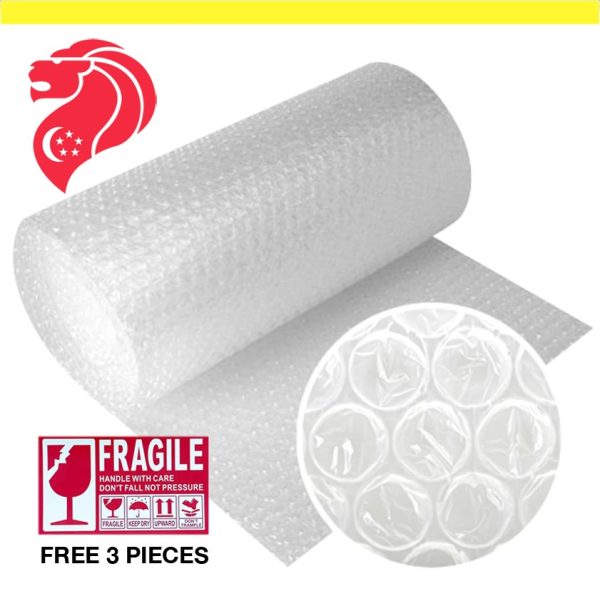
Air bubble wrap is a widely recognised packaging solution and functions to cushion items from impacts, vibrations, and surface damage. They are ideal to protect delicate objects like electronics, furniture and glassware during transportation.

Bubble wrap comes in a wide range of types, each designed to cater to specific packaging needs. The most significant distinction between these types lies in the size of the bubbles. Small bubble wrap, featuring bubbles around 6mm in height, is perfect for protecting smaller, fragile items. The compact size of the bubbles allows for a snug fit, reducing the risk of movement and providing excellent protection against scratches and minor impacts. In contrast, large bubble wrap, with bubbles measuring approximately 25mm in height, is better suited for bigger, heavier items. The larger bubbles create a thicker cushion, making it ideal for absorbing shocks and safeguarding against more substantial impacts.

Another important factor to consider is the material used to manufacture the bubble wrap. While traditional bubble wrap is made from polyethylene, eco-friendly alternatives are now available, produced from recycled materials or fully biodegradable components.

Bubble wrap also differs in terms of its structure and presentation. Some varieties come in sheets that can be easily cut to the desired size, while others are available as pre-formed bags, envelopes, or even rolls with perforations at regular intervals for convenient tearing. This structural diversity ensures that bubble wrap can be easily adapted to accommodate items of various shapes and sizes.

With its lightweight nature, bubble wrap helps to reduce shipping costs compared to heavier protective materials. The transparency of the bubble wrap allows for easy identification of the wrapped items, simplifying inventory management and inspection processes. Furthermore, the air-filled bubbles provide excellent insulation properties, which can be crucial when shipping temperature-sensitive goods.

For bulk bags, bubble wrap effectively absorbs and dissipates the forces of impacts, vibrations, and abrasions that may occur during handling and transportation, while also maintaining the structural integrity of the bulk bag itself.

Stretch Film
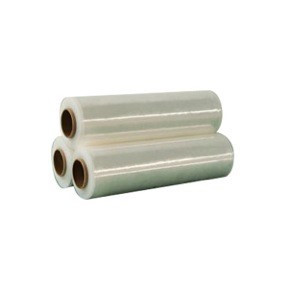
Stretch film is a versatile packaging material that creates a secure and protective layer around products for export. It provides a barrier against moisture, dust, and other environmental hazards, shielding items from potential damage during transit. The unique elasticity and cling properties of stretch film enable it to effectively stabilise goods and minimise movement within shipping containers. It not only bolsters the overall safety of shipped goods but also optimises handling and storage processes.

Different types of stretch film are available, such as hand stretch film, machine stretch film and coloured stretched film to cater to specific needs and applications, offering distinct levels of strength, clarity, and tear resistance. Selecting the appropriate stretch film requires careful consideration of various aspects, including the characteristics of the items being wrapped, the application technique, and the unique environmental conditions they will be exposed to.

Stretch film creates a tight, secure wrap around bulk bags, preventing spillage or leakage and safeguarding contents from environmental factors. It also provides structural support, helping to prevent crushing or deformation when bulk bags are stacked.

Choosing the Right Eco-friendly Packaging Solution with Ssangleong

Businesses and consumers are becoming increasingly aware of the impact of packaging waste on our planet with a soaring demand for eco-friendly solutions.  Eco-friendly solutions help reduce waste, conserve resources and curtail carbon emissions.  Ssangleong, a prominent Singapore-based company, contributes to the sustainable packaging movement by providing businesses with a wide array of eco-friendly products and services.

From recycled plastic resins and reusable Ssuper Sack Bulk bags and PP bags, Ssangleong’s packaging solutions help empower companies to embrace greener practices while maintaining the highest standards of quality and performance.

By choosing Ssangleong, you’re not just investing in your business; you’re investing in the future of our planet. Let Ssangleong be your guiding light as you navigate the journey towards a greener, more responsible business model. Embrace the power of sustainable packaging and watch your company thrive in the era of environmental consciousness. Contact Ssangleong today and let us help you make a lasting difference!

Beyond Storage: Creative Applications of IBC Tanks in Urban Spaces

An IBC (Intermediate Bulk Container) is a large, reusable container designed to safely store and transport large quantities of liquids, including water. They are made of durable, food-grade plastic materials like HDPE (high-density polyethylene) and are equipped with protective steel cages and pallets to allow for easy handling and stacking. IBC tanks offer a range of capacities, with the most frequent option being the 1000 litre water tank. Various material volumes can be accommodated while maintaining a manageable size for storage and transport.

Many IBC tanks are UN-certified, meaning they meet specific United Nations standards for the transport of dangerous goods, ensuring safety and compliance in various applications. Their large capacity and relatively compact footprint also make them a great option for storing all sorts of materials in warehouses, factories, and other industrial settings. Besides, the sturdy construction and built-in pallet base allow IBC tanks to be safely and efficiently loaded, transported, and unloaded with forklifts or pallet jacks.

Unpacking the Basics: IBC Tanks and Their Components

IBC tanks come with several key features and components that enhance their functionality and versatility. The exterior of an IBC tank features a robust, protective cage constructed from steel tubes, often referred to as a grid box or grid frame, which is securely affixed to a pallet base to facilitate handling and transportation. The pallet enables efficient handling and manoeuvring of the IBC tank using standard mechanical equipment, such as forklifts or pallet jacks. As for the interior, it’s constructed from High-Density Polyethylene (HDPE), which provides a secure and reliable containment solution for a wide range of products.

The top of an IBC tank features an opening with a screw cap that allows for the installation of an IBC tank top adapter. This adapter streamlines the attachment of various equipment, such as pumps, filters, or other devices, for efficient liquid transfer and dispensing. An IBC tank can also be customised for specific applications through the use of various accessories, such as spill pallets for containment, insulation jackets for temperature control, heaters for maintaining consistent temperatures, and secondary containment systems for added safety and environmental protection.

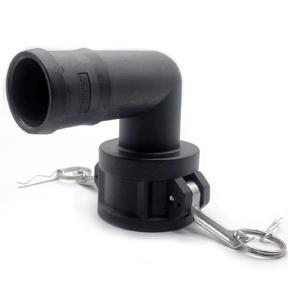
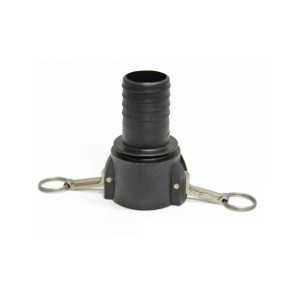
Besides, an IBC tank often has a camlock feature, which is a quick-connect fitting for secure, leak-free connections between the IBC tank and various equipment, making fluid transfer a breeze. Another useful aspect that an IBC tank is equipped with is a built-in valve or plastic drum with taps, offering significant convenience. This feature allows for easy access to the tank’s contents and enables controlled dispensing without the need for additional equipment.

Transforming Urban Gardens with IBC Tanks

Sustainable Water Solutions

IBC tanks provide a practical and sustainable solution for rainwater harvesting, helping urban gardeners to optimise their water management practices and cultivate thriving green spaces in the heart of cities. These versatile containers, especially the 1000 litre water tank, provide an ideal means of collecting and storing rainwater for later use in irrigation and other gardening tasks. In an urban garden setting, an IBC tank can be easily connected to a building’s gutter system or downspout to capture rainwater runoff from rooftops. The large capacity of the 1000 litre tank enables significant volumes of water to be collected during rainfall events, which can then be stored for use during drier periods. Using IBC tanks for rainwater harvesting in urban gardens presents a range of advantages.

IBC tanks allow urban gardeners to collect and store rainwater, reducing their dependence on municipal water sources and contributing to citywide water conservation efforts. By harvesting rainwater in IBC tanks, urban gardeners can minimise their water bills, as they can rely on the stored rainwater instead of purchasing water from the public supply. Rainwater collected in IBC tanks is naturally soft and devoid of chemicals commonly found in treated municipal water, such as chlorine, which can be advantageous for plant growth and overall health. The use of IBC tanks for rainwater harvesting in urban gardening practices fosters a more sustainable and eco-friendly approach to water management in cities.

Innovative Planters

IBC tanks provide a creative and functional solution for large, mobile planters in urban gardening. By repurposing these containers, gardeners can benefit from the tank’s mobility and volume to grow a wide variety of plants in city settings. The tank’s built-in pallet base makes it easy to move using a pallet jack or forklift, allowing gardeners to reposition the planter as needed for optimal sun exposure or to modify the garden layout.

The large interior of an IBC tank planter offers plenty of space for root growth and soil volume, enabling the cultivation of bigger plants, small trees, or even multiple crops in a single container.  The mobility of IBC tank planters is a major advantage for urban gardening. The ability to move the planters helps gardeners adapt to changing sunlight patterns, rotate crops, or redesign their garden layout to optimise growth and aesthetics.

This flexibility is particularly useful in urban settings where garden spaces may be subject to change due to construction or shifting land use.

IBC Tanks in Aquaponics and Hydroponics

IBC tanks play a crucial role in setting up aquaponics and hydroponics systems, particularly in limited urban spaces. These systems offer efficient and sustainable solutions for urban food production, and IBC tanks provide an ideal container for their implementation. Aquaponics is a symbiotic system that combines aquaculture (raising fish) with hydroponics (growing plants without soil). In an aquaponics setup, IBC tanks can be used to house the fish, with the top portion of the tank being used as a grow bed for plants.

IBC tanks provide a closed environment that helps maintain water quality, minimise the need for pesticides, herbicides, and synthetic fertilisers, reducing the environmental impact of food production in urban areas. In a hydroponics system, plants are grown in nutrient-rich water without the use of soil. IBC tanks can be easily adapted to create a hydroponics reservoir, holding the nutrient solution and supporting the growth of plants.  The tank’s large capacity cultivates a significant number of plants in a relatively small footprint, making it ideal for urban environments where space is limited.

Emergency Preparedness with IBC Tanks

IBC tanks, such as the 1000 litre water tank, provide access to a reliable source of clean water in the event of natural disasters, infrastructure failures, or other emergencies that disrupt water supply.  The 1000 litre capacity of these IBC tanks provides a substantial volume of water storage, which can be invaluable in emergency situations. This stored water can be used for drinking, cooking, sanitation, and other critical needs during periods when access to municipal water supply is compromised.

Moreover, IBC tanks can be easily integrated into emergency water purification systems. By connecting the tank to filtration and purification equipment, such as reverse osmosis systems or UV sterilisers, the stored water can be treated to ensure its safety for consumption. Investing in IBC tanks, like the 1000 litre water tank, for emergency water storage and purification systems is a proactive measure that can greatly enhance the resilience and self-sufficiency of urban communities in the face of potential disasters.

Enhancing Urban Livability with IBC Accessories

IBC accessories, such as the IBC tank top adapter and IBC camlock, enhance the functionality of the tanks, facilitating easy integration into a variety of urban systems and processes beyond storage.  The IBC tank top adapter is an essential accessory that guarantees secure connection of various equipment and components to the top of the tank. This adapter provides a versatile interface for attaching pumps, filters, hoses, or other devices, allowing for seamless integration with a wide range of liquid handling and processing systems.

Additionally, the IBC camlock is another crucial accessory that provides a secure and leak-free connection between the tank and various equipment or containers. The camlock proves particularly valuable, as it enables the connection of multiple IBC tanks in series or parallel configurations, facilitating the creation of larger storage or distribution networks.

Conclusion

IBC tanks are highly versatile and valuable assets in urban environments, offering sustainable solutions for gardening, food production, and emergency preparedness. Their durable construction, large capacity, and mobility make them ideal for various applications, including rainwater harvesting, innovative planters, aquaponics, and hydroponics systems. IBC accessories, such as tank top adapters and camlocks, further expand their functionality and integration possibilities.

Discover the full potential of IBC tanks with Ssangleong’s comprehensive range of solutions. From sustainable urban gardening to emergency preparedness, our high-quality IBC tanks and accessories empower your community to thrive. Partner with Ssangleong today and unlock the benefits of these versatile containers for a more resilient and sustainable future.

The Rising Popularity of Jumbo Bags in Various Industries

Jumbo bags have seen a notable rise in global demand. They are also referred to as Flexible Intermediate Bulk Containers (FIBC bags) or big bags.  With rising urbanisation and population growth, jumbo bags provide a packaging solution that is adaptable, economical, and robust, addressing the increasing requirements of numerous industries. These jumbo bags are large, sturdy, and reusable containers optimised for transporting bulk quantities of free-flowing commodities. These bags typically can hold up to 500 kg to 2500kg of products.

They can be customised to suit a wide range of applications, allowing businesses to optimise their supply chain processes and reduce packaging costs. Jumbo bags also minimise expenses, allowing for multiple reuses and reducing the overall packaging costs for businesses. Moreover, the reusable nature of jumbo bags aligns with the global push for sustainable packaging solutions, further driving their popularity. As businesses worldwide seek to optimise their supply chains and minimise their environmental impact, the demand for FIBCs continues to rise, cementing their position as an essential packaging solution in the modern economy.

Understanding Jumbo Bags

Jumbo bags or Flexible Intermediate Bulk Containers (FIBCs) are sizable, heavy-duty bags engineered specifically for the storage and transportation of large volumes of materials. Constructed from pliable and durable material, these bags provide excellent strength, durability, and resistance to various environmental factors such as moisture, dust, and UV radiation.

Jumbo bags come in various shapes, including square, rectangular, or circular. The most common shape is the cubic form, which allows for easy stacking and efficient use of space during storage and transportation. These have integrated lifting loops or sleeves at the top of the bag, which enable easy handling using forklifts, cranes, or other lifting equipment. Jumbo bags can be designed with different discharge methods, such as plain bottom, duffle top, spout top, or spout bottom, depending on the specific requirements of the application. Some FIBCs come with inner liners made from materials like polyethylene or foil, which provide additional protection against moisture or contamination.

They are available in various capacities to suit different industrial needs. The most common capacities range from 500 kg to 2,000 kg. However, some jumbo bags can accommodate up to 3,000 kg or more, depending on the specific requirements of the application.

Unveiling the Varieties of Jumbo Bags

Jumbo bags, also known as bulk bags or Flexible Intermediate Bulk Containers (FIBCs), are large containers designed for storing and transporting bulk materials. These bags come in various types to cater to different industry needs and applications. Here are some of the most common varieties of jumbo bags:

Standard Bulk Bags

Standard bulk bags are engineered to securely contain and efficiently transport dry, free-flowing materials such as grains, fertilisers, plastics, and minerals. Constructed from flexible woven fabric, they can withstand the rigours of industrial use, including filling, transportation, and discharge processes thanks to their excellent strength and tear resistance.

Ssangleong offers Ssuper Sacks Bulk Bags, versatile industrial containers designed for storing and transporting large quantities of materials. Available in various types and sizes, these bags cater to different safety requirements and industrial needs.

Here are some of the types of Ssuper Sack bulk bags:

Type A Ssuper Sack Bulk Bags

These bags are the workhorses of the industrial world. Made from sturdy woven polypropylene, these versatile bags are perfect for storing and moving all kinds of non-flammable materials.

Type B Ssuper Sack Bulk Bags

These bags are designed with safety in mind, especially for environments where static electricity could be a problem. These bags are built to prevent static buildup and avoid sparks in places where even a tiny ignition could cause trouble. They’re great for transporting dry, flammable powders when there are no flammable gases around.

Conductive Bulk Bags

Conductive bulk bags, also known as Type C bags, are designed for storing and transporting materials prone to static electricity buildup, such as chemicals, pharmaceuticals, and flammable powders. These bags are constructed using either entirely conductive materials or woven fabric with interconnected conductive threads, effectively reducing the risk of static buildup in hazardous environments. They are particularly suitable for transporting flammable powders or for use in the presence of flammable vapors, gases, or combustible dust.

To ensure safety, conductive bulk bags require a proper ground connection to function effectively. They are not suitable for use when there is resistance between the bag and a groundable point, as this can interfere with their static dissipation properties.

Type D SSuper Sacks

Ssangleong also provides Type D SSuper Sacks. They are engineered for use in hazardous settings, capable of safely containing and transporting flammable and combustible materials. The bags’ unique fabric composition manages static electricity without requiring a ground connection, enhancing safety and convenience in handling potentially dangerous substances. Made from antistatic and static dissipative fabrics, these sacks are designed to prevent incendiary sparks and brush discharges. They incorporate quasi-conductive yarns that safely dissipate static electricity into the atmosphere via low-energy corona discharge.

Type D SSuper Sacks are suitable for transporting flammable powders and can be used in environments where flammable vapours, gases, or combustible dust are present. However, they should not be used when the surface of the FIBC is contaminated or coated with conductive materials such as grease or other flammable substances.

Advantages That Jumbo Bags Bring to the Table

Versatility and Adaptability

Jumbo bags are versatile, able to accommodate a wide range of products and materials. From agricultural commodities like grains and fertilisers to industrial goods such as chemicals and minerals, jumbo bags can be used to store and transport a diverse array of items. This flexibility allows businesses across different sectors to utilise jumbo bags for their specific needs, making them a universal packaging solution.

Cost-Effectiveness

FIBC bags help businesses save money by reducing packaging costs. Compared to traditional packaging methods, such as smaller bags or rigid containers, jumbo bags provide a more economical option for storing and transporting bulk quantities of materials. The larger capacity of these bags means that fewer units are required to handle the same volume of goods, leading to significant cost savings in terms of packaging materials and labour.

Furthermore, the space-saving characteristics of jumbo bags contribute to cost savings in storage and transportation. When not in use, these bags can be folded and stored compactly, maximising storage efficiency and cutting down on storage costs. The efficient stackability of filled jumbo bags also boosts space capacity during transportation, allowing businesses to ship more goods per load and potentially reduce shipping costs.

Durability and Reusability

FIBCs are renowned for their exceptional durability and reusability, engineered from high-quality woven polypropylene or polyethylene fabric to withstand the strain of industrial use. The strong, tear-resistant material can handle heavy loads and resist punctures, ensuring that the contents remain secure during handling and transportation.

Moreover, the durability of jumbo bags enables them to be reused multiple times, further extending their lifespan and economic benefits. Unlike single-use packaging options, jumbo bags can be emptied, cleaned, and refilled repeatedly, reducing the need for frequent replacements. In addition to their reusability, the durability of jumbo bags extends to their resistance to various environmental factors.

These bags are designed to withstand exposure to moisture, dust, and UV radiation, ensuring that the contents remain protected even in challenging storage or transportation conditions. This durability helps maintain the quality and integrity of the stored materials, preventing spoilage or contamination and extending the shelf life of the products.

Eco-Friendly

Unlike single-use packaging options that generate significant waste, jumbo bags can be used multiple times before reaching the end of their lifespan. The reusability of jumbo bags helps save natural resources and reduces the environmental harm caused by producing and throwing away new packaging. Compared to traditional packaging materials like wooden crates or metal drums, the production of jumbo bags consumes less energy and resources. This results in a smaller carbon footprint, further enhancing the environmental benefits of using these reusable and durable bags.

The eco-friendly nature of jumbo bags extends beyond their production and use. At the end of their lifespan, these bags can be recycled into new products, such as plastic lumber or outdoor furniture, giving them a second life and reducing the demand for virgin raw materials.The environmental sustainability of jumbo bags aligns with the growing global focus on green initiatives and responsible business practices.

As more and more consumers become aware of the environmental consequences of their purchasing decisions, businesses that choose eco-friendly packaging options like jumbo bags can improve their brand image and attract environmentally conscious customers.

By showing their dedication to sustainability through the use of jumbo bags, companies can stand out in the market and fulfil the changing demands of their clients and stakeholders.

The Versatile Applications of Jumbo Bags Across Industries

Jumbo bags are widely used across various industries for storing and transporting bulk materials.

Agriculture

In agriculture, jumbo bags are used to store and transport grains, seeds, fertilisers, and animal feed. The hard-wearing fabric would protect agricultural products from moisture, pests, and contamination. These bags also facilitate efficient handling during harvest seasons when large volumes need to be moved quickly.

Construction

Jumbo bags also play a crucial role in the construction industry, where they are widely employed for storing and transporting various building materials, including sand, gravel, cement, and aggregates. Machinery like forklifts or cranes can easily fill, move and empty them, saving time and increasing overall efficiency. Moreover, by ensuring a steady supply of materials through the use of jumbo bags, construction materials are constantly available, preventing delays and disruptions.

The construction industry utilises jumbo bags for multiple kinds of sand and aggregates. Construction-grade sand, which is a crucial component in the production of concrete and mortar, is often handled using these versatile containers. Similarly, gravel and crushed stone, which serve as essential building materials for foundations, roads, and drainage systems, are frequently stored and transported in jumbo bags.

Chemical

In the chemical industry, jumbo bags are used for storing and transporting various substances like powders, granules, pellets, and other chemicals. These bags are specially designed with properties such as UV resistance, moisture protection, and static dissipation to suit the specific needs of the chemicals being handled. For sensitive chemicals prone to static charge buildup, conductive jumbo bags are used to ensure safe handling and prevent potential hazards. Businesses across diverse industries depend on jumbo bags to efficiently store and transport a wide variety of materials that are fundamental to their operations.

The chemical sector also extensively employs jumbo bags to transport powdered chemicals, including titanium dioxide and calcium carbonate. Additionally, catalyst support materials, such as alumina and silica gel, which play a crucial role in chemical reactions and processes, are often stored and transported using jumbo bags to ensure their safe and efficient handling.

Food

In the food industry, jumbo bags are commonly used to store and transport a variety of ingredients, such as flour and grains, which are essential for baking and other food processing applications. Sugar and sweeteners, including granulated sugar, powdered sugar, and various types of syrups, are also frequently handled using jumbo bags. Dried fruits and nuts, such as raisins, apricots, almonds, and cashews, are another category of food ingredients that are often stored and transported in these versatile containers. Granular chemicals, like salt, sugar, and sodium bicarbonate, which have numerous applications in the food, pharmaceutical, and cleaning industries, are another category of materials frequently handled using these versatile containers.

Championing Sustainability with Jumbo Bags

Jumbo bags are paving the way for a new era of sustainable packaging solutions, emphasising reusability and recyclability to reduce environmental impact and promote a circular economy. Their durable and water-resistant nature allows for multiple uses without compromising its integrity. This ensures the minimisation of waste and the need for new bag production, which in turn supports sustainability efforts.

When the bags can no longer be safely reused, they can be collected, segregated into different recycling grades based on their condition, and then recycled into new plastic products. This helps reduce waste and the need for virgin materials, further contributing to a more sustainable supply chain. Through the reuse and recycling of jumbo bags, businesses can make a substantial contribution to reducing their environmental footprint, lowering carbon emissions, and advancing the principles of a circular economy.

Ssangleong recognizes the importance of sustainability and has made it a central focus of its operations, striving to provide durable, reusable, and recyclable jumbo bag solutions. We offer the Ssuper Sack Bulk Bags, a line of sturdy, resistant and reusable bulk bags that can hold loading weights from 500 kg to 2000 kg.

With a wide range of options, including conductive bags and PP woven bags, Ssangleong offers efficient and eco-friendly packaging solutions to meet various industry needs. Our bulk bags are designed to cater to different environmental requirements, from non-flammable conditions to harsher and combustible environments.

This comprehensive range ensures that businesses can find the perfect Ssuper Sack Bulk Bag to match their specific needs while maintaining a focus on safety and efficiency.

Experience the Ssangleong difference and discover how our innovative bulk bag solutions can revolutionise your storage and transportation processes. Our knowledgeable team is ready to assist you in selecting the ideal bulk bag type for your specific application, ensuring optimal performance and compliance with industry standards. Partner with Ssangleong and take the first step towards a smarter, safer, and more efficient packaging solution.